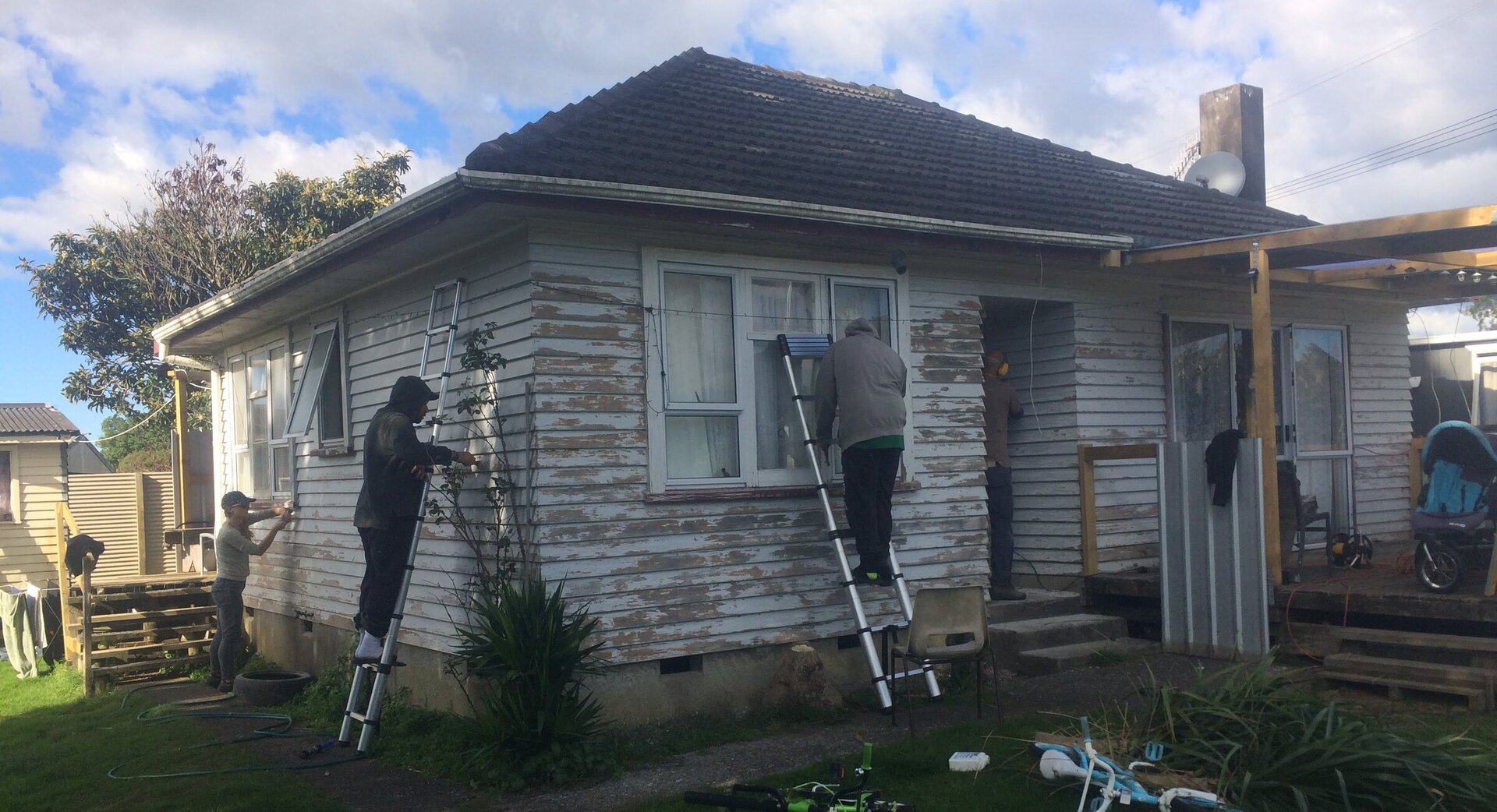
In April 2025, we received a referral from a courageous single mum named Jane* and her five tamariki to Sustainability Options. We first visited the whānau in May.
A Home Full of Challenges
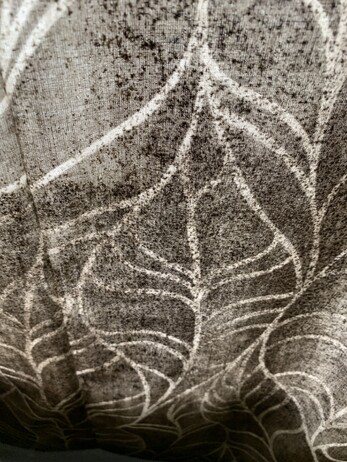
The whare was damp and mould-ridden, adding strain to an already vulnerable situation. All of the children suffered from asthma and severe eczema. One had recently been in ICU after an asthma attack. Another child, who is autistic and non-verbal, needed specialised support. With thin curtains, cold bedrooms, and single-glazed aluminium joinery, the home offered little relief from the elements. One room’s damaged cladding allowed moisture to seep in.
Space was tight. Jane shared a bed with several children. Two others shared a room together. A third bedroom was occupied by their grandfather, who wasn’t technically allowed to stay due to housing rules. He had cancer and had undergone heart surgery, and Jane felt trapped - torn between caring for him and the risk of eviction. Her mental health was clearly under strain.
During the initial assessment, our team recommended social housing as the long-term solution. The overcrowding and co-sleeping were contributing to respiratory and skin conditions, and Jane needed space - physically and emotionally - to breathe.
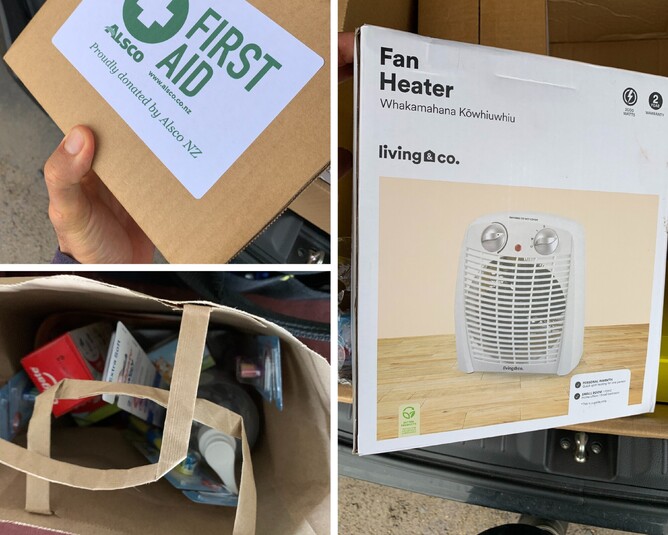
We discussed healthy home practices with the whānau, and everyone got involved. The kids helped place temperature cards in their bedrooms to track warmth levels overnight. A bedroom heater was provided to aid Jane’s youngest daughter’s recovery from her time in ICU. We also dropped off a first aid kit and toothbrushes.
From there, momentum grew. Sustainability Options ordered new bunk beds, to help tamariki move into their own sleeping spaces. We shared education with Jane about moisture control, heating, overcrowding impacts, and landlord responsibilities. We wrote a support letter for MSD and worked closely with Jane’s support worker/advocate to strengthen her social housing application.
A Fresh Start: Moving into a Kāinga Ora Home
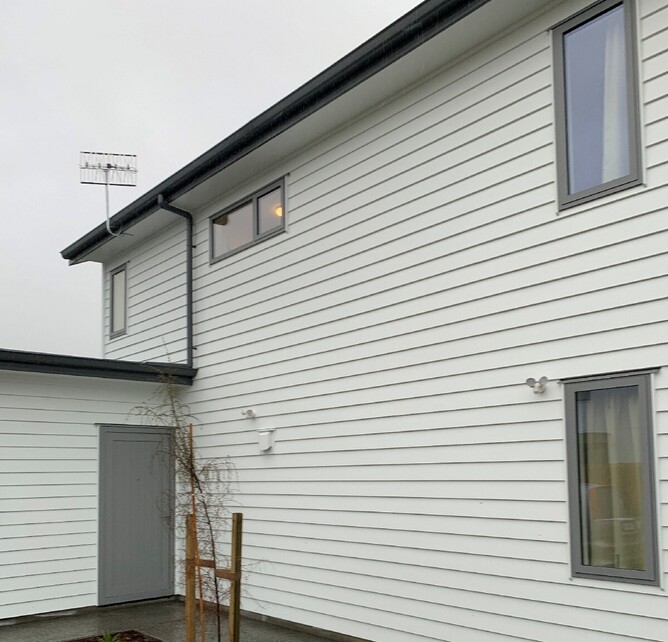
Success came swiftly. The whānau moved into a brand-new Kāinga Ora home in July, that had been built in 2020. A spacious five-bedroom, double-storey house with timber cladding, iron roofing, slab flooring, and aluminium joinery. Just two days into settling in, Jane greeted the assessor with a huge smile and a celebratory high five: “Good job!” she beamed. Her whole energy had shifted - hopeful, proud, and at peace.
She joyfully showed us around. Her children were finally in their own bedrooms and visibly thriving. “I haven’t been itching since living here,” one of the girls said. Jane also noticed longer, uninterrupted sleep; a sign the environment was healthier.
This second visit was calm, a stark contrast from the urgency and stress of the first. We could now focus on reinforcing good habits:
Using extraction fans for 15 minutes post-shower
Closing internal doors to contain moisture
Operating kitchen fans during cooking
Maintaining heat pumps, adjusting settings from 28 to 21°C
Monitoring bedroom temperatures
Cross-ventilating during summer
A quote from our assessor:
“It was nice to have a relaxed visit and just talk through some of the more important ways of driving a healthy home, as in the last visit it was very much that she was stressed and trying to outline all the problems while desperately needing to move out. There was a lot going on, so this visit was far more relaxed. We could start pinning down some good behaviours, like running the extraction fans, leaving them on the timers for 15 minutes, and closing the internal door. We talked about the home being two stories and running the kitchen extraction fan in the lounge space. I recommended they just leave it on when they’re cooking or in there, and running it on the full power. Also went through the heat pump, showed them how to clean the heat pump filters, and got the young boy on board to download the heat pump app so they can see the timer on the heat pump app now. Went through efficient temperature settings and got them to turn down the temperature from 28 to 21. I left them with a heat pump tip sheet.”
We left behind a heat pump tip sheet and a small fan heater for the youngest daughter, whose room still lacked heating. Jane’s support network had strengthened - she was linked with mental health and educational services and was in the process of securing a van for her child with high needs.
Everything feels like it’s moving forward now. The relief is palpable. Jane, once overwhelmed, now walks with clarity and confidence. She keeps repeating a simple, powerful truth:
“This is our permanent home now.”
*Pseudonym used.